Blog
6 Steps to Maintaining Perennials in the Blue Mountain Area
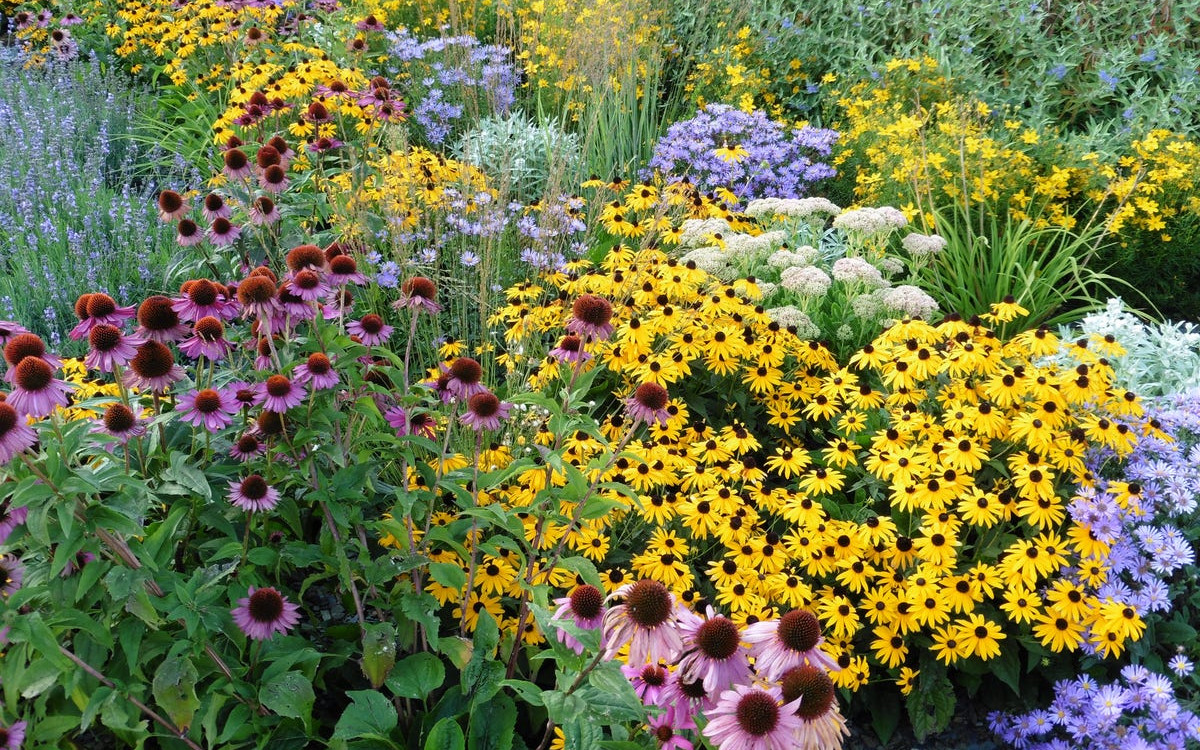
Collingwood, Thornbury and the Town of Blue Mountains are in Zone 6a and offer an incredible opportunity to enjoy a diverse range of plants, including hardy perennials, shrubs, and trees. The temperate climate, with its cold winters and warm summers, supports a wide variety of species. However, proper maintenance is essential to ensure the health and beauty of your landscape year-round. These steps will walk you through the best practices for maintaining perennials in this zone.
Understanding Zone 6a Conditions
Zone 6a in Ontario typically experiences:
Minimum winter temperatures of -23.3°C to -20.6°C.
A growing season that generally spans from mid-May to early October.
Periodic freeze-thaw cycles in spring and fall.
These factors influence the choice of plants and the type of maintenance required.
Caring for Perennials in Zone 6a
Perennials are a popular choice for gardeners because they return year after year with proper care. Here’s how to keep them thriving:
1. Plant Selection
Choose perennials that are hardy to Zone 6a, such as:
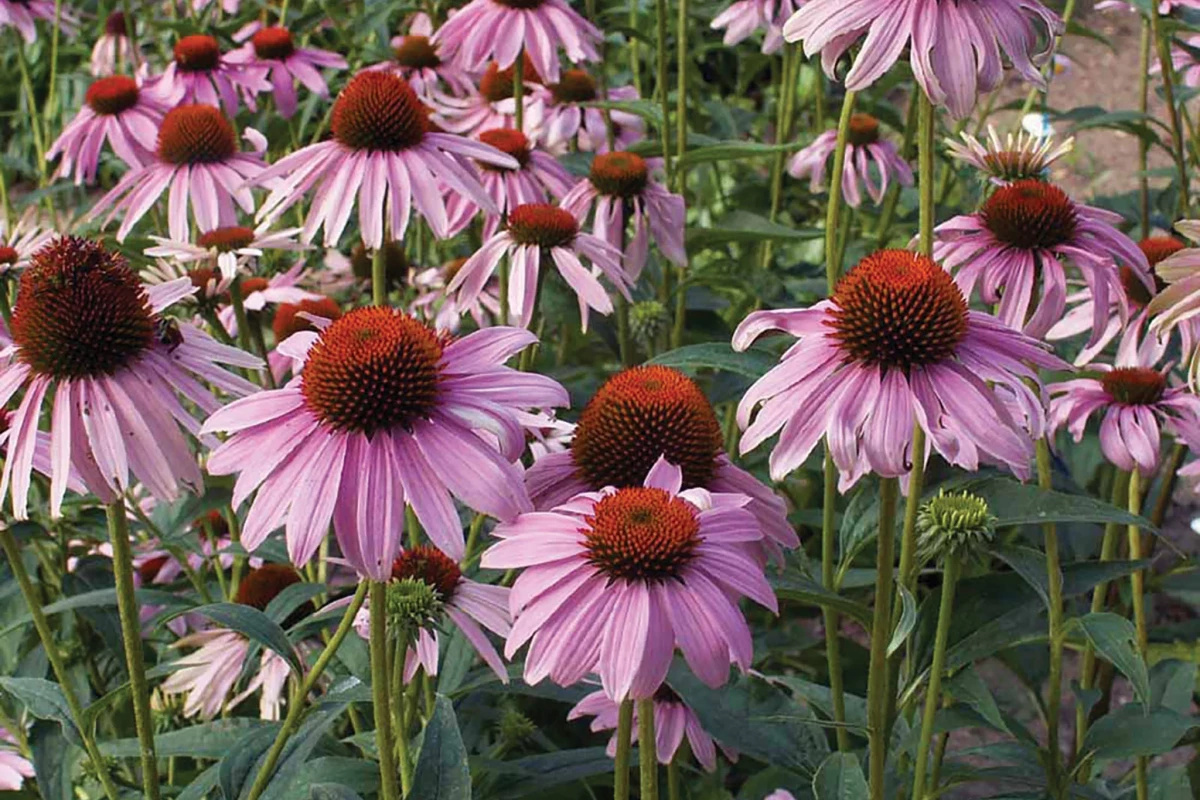
Coneflowers (Echinacea)
Hostas
Black-eyed Susans (Rudbeckia)
Daylilies
Peonies
2. Planting Tips
Timing: Plant perennials in spring or early fall to allow roots to establish before extreme temperatures.
Soil Preparation: Amend the soil with compost to improve drainage and nutrient content. Many perennials prefer slightly acidic to neutral soil.
3. Watering Practices
Newly planted perennials require consistent watering until established.
Mature plants typically need about 2.5 cm of water per week. Water early in the morning to reduce evaporation and fungal diseases.
4. Mulching
Apply 2-3 inches of organic mulch, such as shredded bark or leaf mold, around the base of plants. Mulch helps retain soil moisture, regulate temperature, and suppress weeds.
5. Seasonal Maintenance
Spring: Clean up dead foliage from the previous year and divide overcrowded plants.
Summer: Deadhead spent flowers to encourage more blooms and prevent seed production.
Fall: Cut back foliage after the first hard frost. However, leave some seed heads (e.g., on coneflowers) for winter interest and wildlife.
6. Winter Preparation
Apply a protective layer of mulch around the crown of sensitive perennials to insulate them from freeze-thaw cycles.
Avoid cutting back evergreen perennials, as they provide winter structure and protection for beneficial insects.
With proper maintenance, your perennials can thrive in Zone 6a, providing long-term beauty and ecological benefits. Regular care—such as mulching, watering, pruning, and pest management—ensures a healthy and vibrant landscape that will withstand the challenges of Ontario’s climate. Whether you’re a seasoned gardener or just starting, following these tips will help you create a resilient and picturesque outdoor space.
Read More Posts
How Seasonal Landscape Maintenance Enhances Your Outdoor Space

How to Create a Backyard Oasis