Blog
Maintaining Trees and Shrubs in Zone 6a
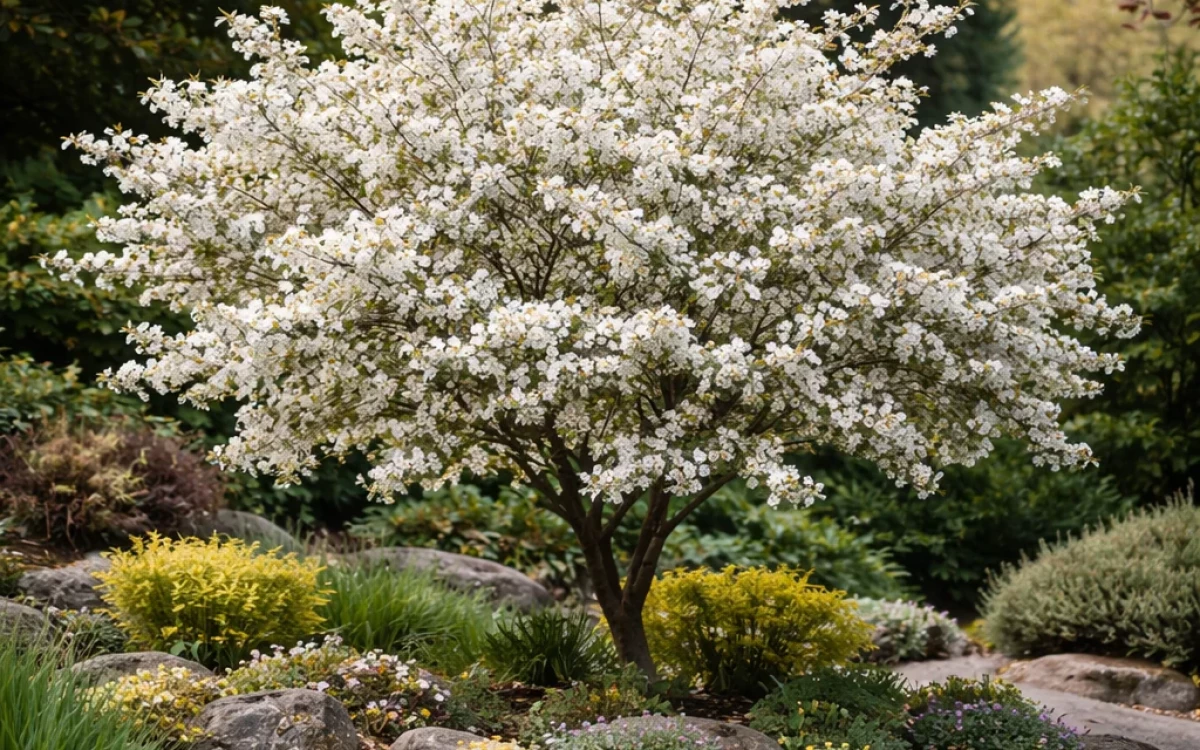
Trees and shrubs are the backbone of any landscape, providing shade, privacy, structure, and year-round beauty. In Zone 6a, where gardens experience warm summers and cold winters, proper maintenance helps plants stay healthy and attractive through every season.
Whether you're caring for newly planted trees or maintaining a mature landscape, a few simple practices can make a significant difference.
Choose Plants That Thrive in Zone 6a
Success begins with selecting trees and shrubs that are well suited to our climate. Plants adapted to Zone 6a require less maintenance, establish more quickly, and are generally more resistant to pests and weather extremes.
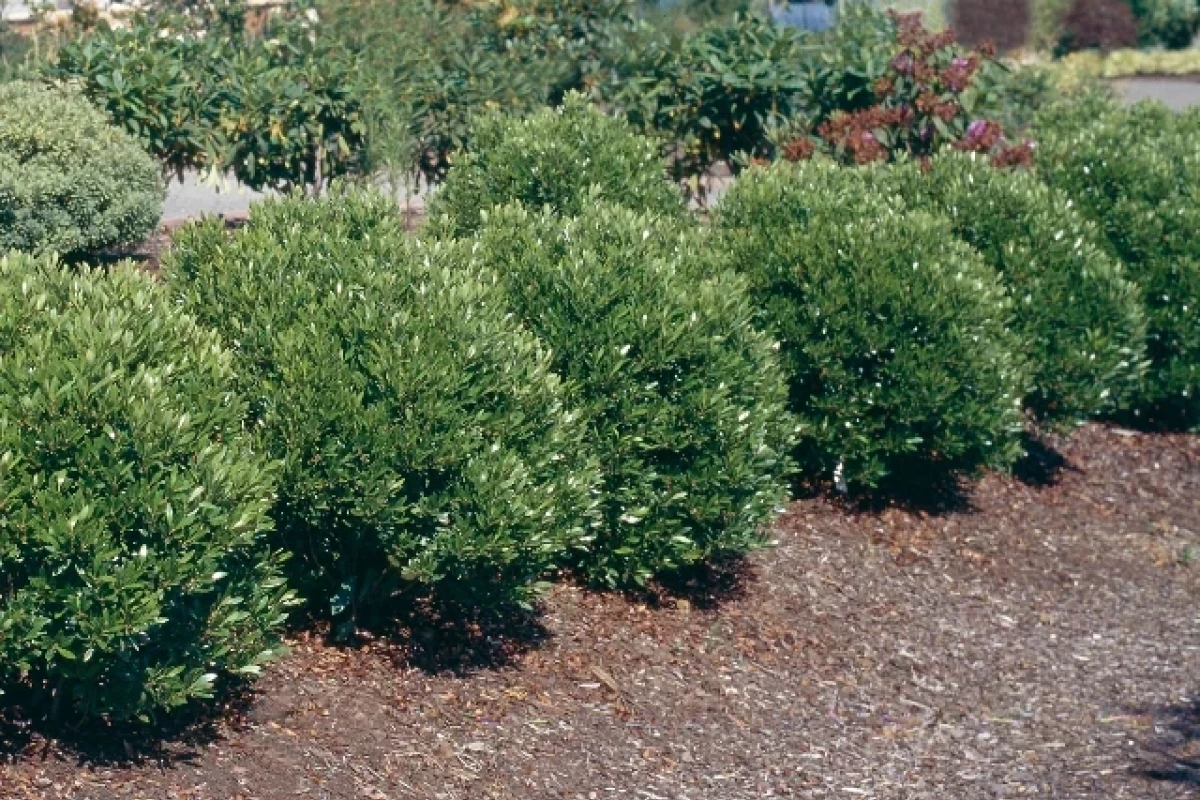
Popular choices include Sugar Maple, Eastern Redbud, Serviceberry, Hydrangeas, and Inkberry Holly. These varieties offer beautiful seasonal interest while performing well in Ontario's growing conditions.
Prune at the Right Time
Pruning keeps trees and shrubs healthy by removing damaged or diseased branches, improving airflow, and encouraging strong growth.
Most deciduous trees and shrubs should be pruned in late winter or early spring before new growth begins. Evergreens typically require only light pruning after their spring growth flush. Flowering shrubs are slightly different—those that bloom on old wood, such as lilacs, should be pruned after flowering, while varieties that bloom on new wood, like panicle hydrangeas, can be pruned in late winter.
Water, Feed, and Mulch
Newly planted trees and shrubs need regular deep watering during their first few years to establish healthy root systems. Mature plants generally require less attention but will still benefit from additional watering during extended dry periods.
Applying a balanced, slow-release fertilizer in early spring provides nutrients for healthy growth without encouraging weak, excessive growth.
Mulch is equally important. A layer of organic mulch around the base of trees and shrubs helps retain moisture, regulate soil temperature, and suppress weeds. Keep mulch a few inches away from the trunk to prevent rot and insect problems.
Watch for Pests and Diseases
Regular inspections can help catch problems before they become serious. Common pests in Zone 6a include aphids, scale insects, and borers. Encouraging beneficial insects, such as ladybugs, helps keep many pest populations under control naturally.
Proper plant spacing and watering at the base of plants rather than over the foliage also improves air circulation and reduces the risk of fungal diseases.
Protect Plants Through Winter
Ontario winters can be hard on trees and shrubs, especially newly planted specimens and broadleaf evergreens.
Sensitive evergreens, such as boxwoods, may benefit from burlap wrapping to reduce winter burn. Young trees should be protected with tree guards to prevent damage from rodents and frost cracks. It's also important to avoid piling snow containing road salt near planting beds whenever possible.
Seasonal Care Throughout the Year
Each season brings different maintenance priorities. Spring is the time to clean up winter debris, inspect plants for damage, and apply fertilizer. During summer, consistent watering and regular monitoring for pests will help plants stay healthy through periods of heat and drought.
In the fall, remove fallen leaves to reduce fungal diseases and refresh mulch before winter arrives. Throughout the winter months, continue monitoring evergreens for signs of winter damage and limit exposure to de-icing salts whenever possible.
Common Zone 6a Challenges
Zone 6a gardeners often deal with freeze-thaw cycles, summer drought, and occasional pest outbreaks. Applying mulch in late fall helps protect roots from temperature fluctuations, while selecting drought-tolerant plants and watering deeply during dry periods reduces stress.
Maintaining a diverse landscape and following good gardening practices will also help prevent many common pest and disease problems before they become significant.
Healthy Landscapes Start with Consistent Care
Trees and shrubs are a long-term investment that add beauty, value, and character to your property. With proper planting, seasonal maintenance, and a little preventative care, they'll continue to thrive for years to come.
By understanding the needs of Zone 6a landscapes, you can create a healthier, more resilient garden that looks beautiful in every season.
If you're planning a new landscape or need expert advice on caring for your existing trees and shrubs, The Landmark Group is here to help. Contact our team today to learn how we can help your outdoor space thrive.
Read More Posts
Tips for Maintaining Garden Structures, Pergolas, and Pathways
Outdoor decor ideas for the holiday season