Blog
Tips for Maintaining Garden Structures, Pergolas, and Pathways
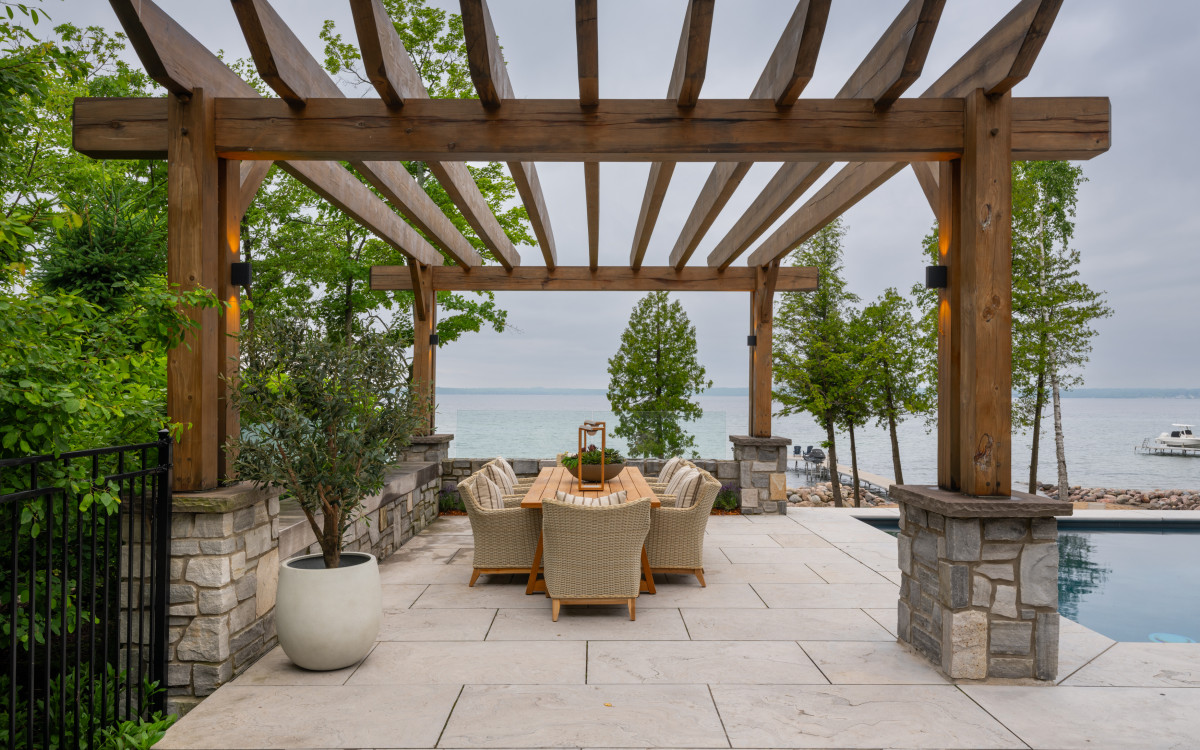
Gardens are more than just green spaces; they are outdoor sanctuaries that provide a place for relaxation, entertainment, and connecting with nature. Central to many gardens are structures like pergolas, pathways, and other built elements, which add functionality and aesthetic charm. However, maintaining these features is crucial to ensure they remain attractive and safe for years to come. Below are practical tips for caring for garden structures, pergolas, and pathways.
Caring for Pergolas
A pergola can transform your garden into an elegant retreat, offering shade and a framework for climbing plants. However, neglect can lead to unsightly or unsafe conditions.
Material-Specific Maintenance
Wooden Pergolas: Inspect for cracks, warping, and rot. Sand rough edges and apply wood preservatives or stains to extend their lifespan.
Metal Pergolas: Clean regularly with water and a soft brush. Check for rust and repaint with outdoor-grade metal paint if necessary.
Vinyl Pergolas: Wipe down surfaces with soapy water and a sponge to prevent grime buildup. Avoid abrasive cleaners that can scratch the finish.
Prevent Plant Overgrowth
Climbing plants like wisteria or ivy can enhance a pergola’s charm but may also cause damage if left unchecked. Prune regularly to prevent excessive weight on the structure or invasive root systems compromising its stability.
Seasonal Preparations
Before winter, remove any climbing plants that could trap moisture and cause rot or mold.
For heavy snowfall areas, reinforce beams or remove snow from the top to avoid excess weight stressing the structure.
Lighting and Accessories
Many pergolas are enhanced with lighting or decorative elements. Check electrical connections for outdoor safety compliance, and remove or replace any damaged fixtures.
Maintaining Pathways
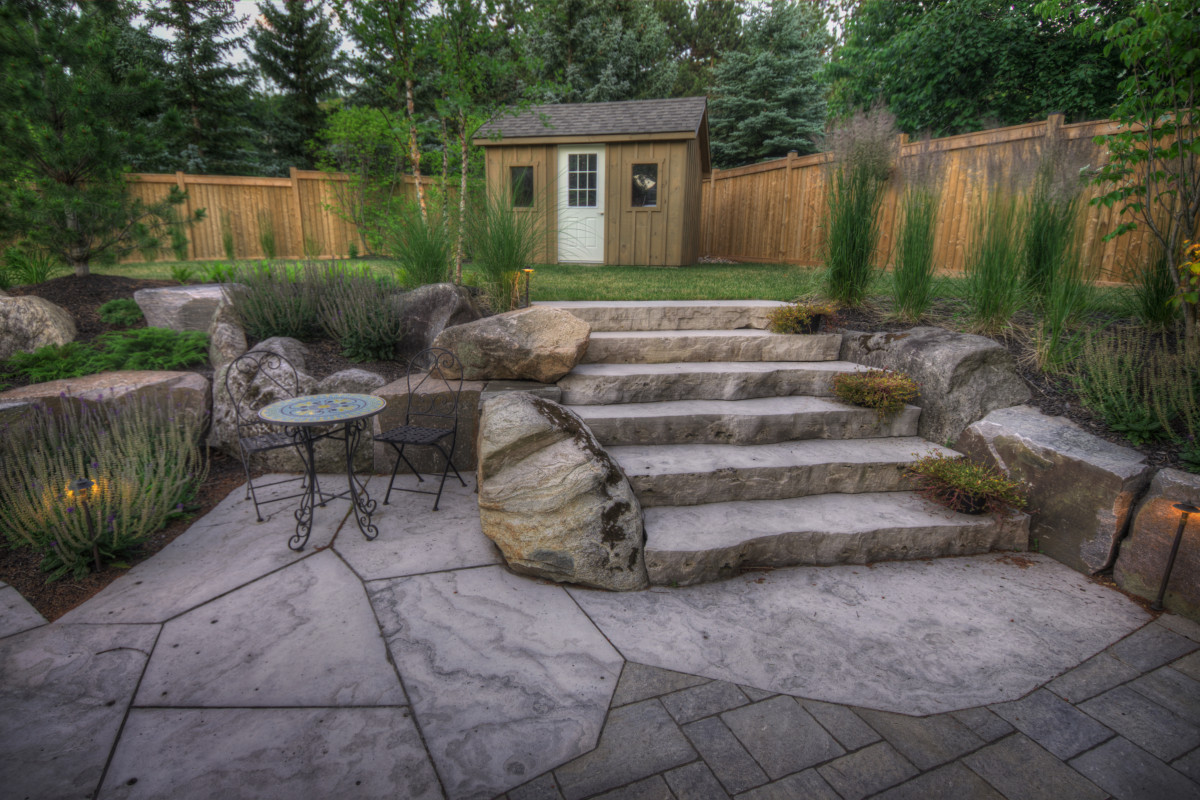
Pathways guide visitors through your garden while adding visual appeal. Whether your pathways are made of stone, gravel, brick, or concrete, they require specific care to remain attractive and safe.
Weed Management
Weeds are a common issue in pathways with joints, such as those made from brick or stone pavers.
Apply a pre-emergent weed killer in early spring to prevent growth.
Pull weeds manually or use a flame weeder for environmentally friendly removal.
Cleaning Techniques
Sweep pathways regularly to remove debris like leaves and dirt, which can cause stains or create a slippery surface when wet.
Power wash stone and concrete pathways annually to refresh their appearance and remove grime or moss. Use low pressure to avoid damaging the material.
Repairs and Replacements
Address uneven or cracked surfaces promptly to prevent tripping hazards. Re-level sunken pavers by adding sand or gravel beneath them.
Replace broken bricks or tiles to maintain the pathway’s structural integrity and aesthetic appeal.
Edge Control
Define the edges of your pathways with metal, stone, or wood borders. This helps keep gravel or mulch in place and prevents adjacent plants from encroaching onto the path.
Drainage Solutions
Proper drainage is essential to avoid water pooling on pathways, which can lead to erosion or moss growth.
Grade the pathway slightly to direct water flow away from high-traffic areas.
Consider adding a French drain or permeable materials like gravel for improved drainage.
Maintaining Garden Structures
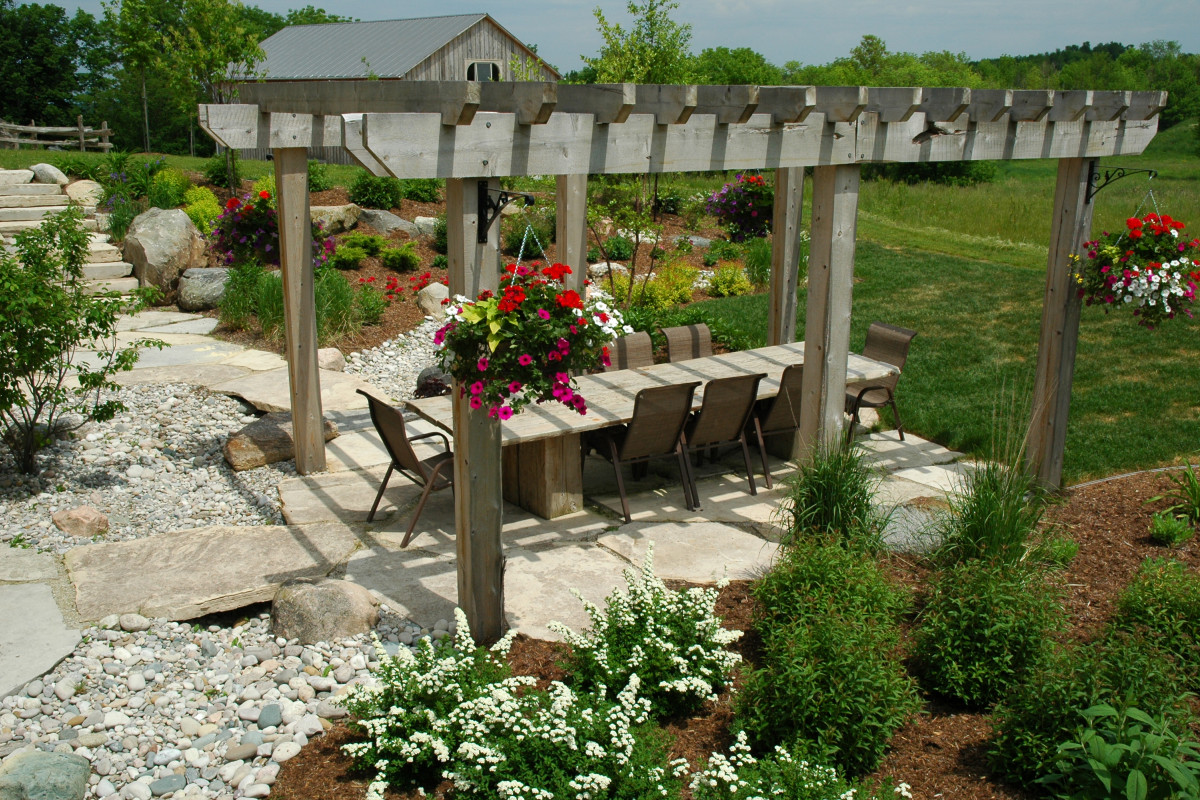
Garden structures such as trellises, gazebos, and fences often serve as focal points or provide functional support for plants. Their longevity depends on regular care and appropriate materials.
Regular Inspections
Conduct seasonal inspections to identify any signs of wear, such as rot, rust, or loose joints. Early detection of problems can save money and effort in the long run.
Cleaning and Sealing
For wooden structures, clean surfaces annually with a mild detergent and water to remove dirt, mildew, and algae.
Apply a high-quality sealant or stain every 2–3 years to protect the wood from moisture and UV damage. Choose weather-resistant finishes for optimal results.
Metal structures benefit from rust-preventive coatings. Sand off rust spots and repaint as needed.
Pest Control
Wooden garden structures can attract pests such as termites or carpenter ants. Use treated lumber or apply insecticides to vulnerable areas. Keep plants trimmed back to prevent pests from gaining easy access.
Anchor Stability
Check the stability of posts and foundations. Ensure that structures are securely anchored, especially in areas prone to strong winds or heavy snowfall. For pergolas, make sure the beams and rafters are intact and well-fastened.
Regular maintenance of your garden structures, pergolas, and pathways ensures your outdoor space remains a beautiful and functional retreat for years to come. Regular inspections, cleaning, and timely repairs are essential to preserving these elements' integrity and appearance. By following these tips, you can create a welcoming and long-lasting garden environment that complements your landscaping and enhances your enjoyment of the outdoors.
Read More Posts
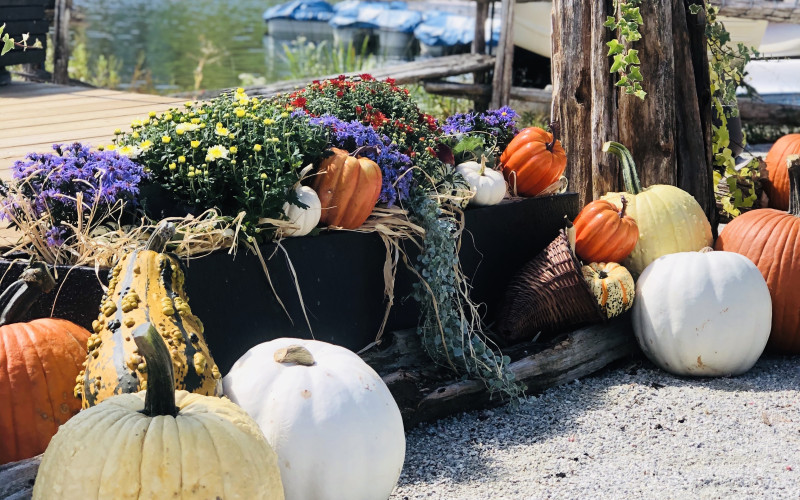
Three ideas to style your fall decor

How to Host the Ultimate Outdoor Holiday Gathering